In a world crowded with marketing buzzwords and glossy demonstrations of comfort, the true luxury remains the same: a night of sleep that feels effortless, restorative, and free from worry. When you choose a mattress built from organic materials, you are not only investing in comfort; you are embracing a philosophy of health, transparency, and sustainability. This guide unpacks what makes a mattress organic, why certifications matter, and how core materials—organic latex, organic cotton, and natural wool—affect support, breathability, and longevity. It is a practical companion for sleepers who want clarity over hype and solutions that stand up to real-life use.
What qualifies as “organic” in a mattress?
The term “organic” in bedding is more than a branding flourish. At its core, it signals a commitment to materials that are grown or produced without synthetic pesticides, persistent chemicals, or toxic flame retardants, and that are processed with attention to environmental and human health. In mattresses, this often translates to layers crafted from certified organic latex or organic cotton, wool fibers that meet specific standards, and fabrics that avoid chemical finishes.
Certifications provide a language you can trust when reading labels and marketing claims. The most widely recognized systems include:
- GOTS (Global Organic Textile Standard) — Covers fibers like organic cotton and organic wool from harvest to finished textile, including dyeing processes and overall environmental impact.
- GOLS (Global Organic Latex Standard) — Specifically applies to organic latex, ensuring that latex products meet rigorous organic farming and processing standards.
- Made Safe — A label focusing on safer chemical practices for consumer products, including mattresses and textiles, to minimize exposure to hazardous substances.
- Other regional or brand-specific certifications — Some brands pursue additional certifications or internal standards to address flame retardants, adhesives, and formaldehyde concerns.
When you encounter a certification label, take a moment to understand its scope:
- What materials are certified (latex, cotton, wool, etc.)?
- What part of the production chain is covered (farming, processing, finishing, packaging) and to what extent?
- Are there any approved limits on processing aids, dyes, or adhesives?
The synergy of certifications matters. A mattress with organic latex (GOLS) and organic cotton (GOTS) layers provides a strong backbone for health-conscious shoppers, while additional safety certifications (e.g., Made Safe) help reduce concerns about chemical exposure during daily use.
Core materials: how they influence sleep experience
There are three primary organic material families you’ll encounter in most organic mattresses: organic latex, organic cotton, and natural wool. Each contributes a distinct set of properties—support, breathability, durability—that together shape comfort and long-term satisfaction.
Organic latex
Organic latex is prized for its buoyant responsiveness and resilience. It comes in two main forms:
- Solids (solid latex) — A dense, uniform core that provides steady support and durable, consistent feel. Often favored for side sleepers who crave pressure relief along shoulders and hips.
- Talalay or Dunlop processing — Talalay latex tends to be lighter, with more uniform cell structure and a softer initial feel; Dunlop is typically denser and potentially longer-lasting. Some mattresses blend both to balance contouring with support.
Organic latex is naturally breathable and resistant to dust mites and mold when properly manufactured and cared for. Its resilience helps maintain spinal alignment across different sleeping positions. For people with allergies or sensitivities, certified organic latex can reduce exposure to chemical residues present in conventional foams.
Organic cotton
Organic cotton is a familiar touchstone of natural comfort. In mattress construction, cotton typically appears in the outer fabrics, quilted covers, and sometimes as a breathable layer inside the comfort system. Organic farming standards emphasize non-toxic pesticides and responsible soil management, which translates into fabrics with a softer hand feel, fewer chemical residues, and better long-term environmental performance.
Cotton’s breathability helps with temperature regulation, especially in warmer climates or for sleepers who naturally overheat at night. It also pairs well with latex or wool layers, acting as a stable, moisture-wicking interface that supports a clean sleep surface.
Natural wool
Wool is a remarkable natural insulator and temperature moderator. In mattresses, natural wool can line or fill layers to provide cushioning while also absorbing and releasing moisture efficiently. This dual action helps regulate micro-climate near the skin, which can reduce night sweats and improve overall comfort. Wool is naturally flame-resistant and serves as an effective buffer in lieu of chemical flame retardants.
Reading labels: practical steps for evaluating comfort and safety
A mindful shopping approach begins with a careful read of product specifications, certifications, and care instructions. Here are practical steps to help you evaluate comfort and safety without getting lost in marketing fluff:
- Identify core materials: Look for explicit statements about organic latex, organic cotton, and wool. Note whether latex is Dunlop or Talalay, and whether it is labeled as 100% organic or blended with other materials.
- Check certifications: Confirm GOTS or GOLS presence for textiles and latex, respectively. If Made Safe certification is listed, understand what it covers for the product. Consider other credible environmental or safety labels that are relevant in your region.
- Assess the comfort layer construction: Determine how many layers, their order, and whether the top surface uses a separate organic cover. A pillowtop or layered design can offer different feel targets for various sleeping styles.
- Consider the encasements and finishes: Look for organic fabric covers and the absence of chemical finishes that could irritate sensitive skin or emit odors over time.
- Avoid marketing-only claims: Be wary of vague phrases like “eco-friendly” without specifics on materials or third-party validation. Favor concrete certifications, material composition, and transparent disclosures.
- Test the feel in-person or via reliable trial policies: If you’re shopping online, ensure the retailer offers a robust trial period and documented return or exchange policies so you can verify comfort in your own sleep environment.
The goal is to align product choices with sleep outcomes—support, temperature regulation, and perceived cleanliness—while prioritizing transparent materials and reputable standards.
Practical guidance for a healthier sleep surface
Beyond material selection, there are practical habits that reinforce the healthfulness of your sleep environment. These habits complement organic materials, ensuring that the surface you sleep on remains a source of rest rather than a point of stress.
Test lie-down effectively
When testing a mattress, give yourself 15–20 minutes per position to gauge initial comfort, followed by a longer, more extended trial at home if possible. Consider:
- Back sleepers seeking balanced support
- Side sleepers needing pressure relief at shoulders and hips
- Stomach sleepers requiring stable, minimal spinal extension
If a retailer offers a model with modular layers (e.g., adjustable latex layers), take advantage of this flexibility to tailor the loft to your body and sleeping position.
Care and longevity
Organic materials benefit from thoughtful care. Follow washing guidelines for covers and protectors, rotate the mattress in the early months, and avoid abrupt, heavy loads that could cause uneven compression. Properly sized foundations or slats beneath the mattress ensure even support and reduce sag over time.
Sustainability and lifecycle
An organic mattress is more than the sum of its top layers. Consider the full lifecycle—from sourcing and manufacturing to end-of-life disposal. Some brands offer take-back programs or disposal services, reflecting a broader commitment to circularity and reducing landfill waste.
A note on Portland-specific sleep considerations
While the organic mattress conversation is universal, environmental factors can color your experience in different locales. Portland’s climate—often damp, with variable humidity—can influence moisture management, mold risk, and perceived breathability. Organic materials, when certified and properly constructed, can offer resilience against these conditions:
- Breathable cotton covers combined with latex or wool layers often manage moisture without relying on synthetic additives.
- Natural wool’s moisture-wicking properties can be advantageous in humid environments.
- Ventilation and air circulation matter; ensure your bed setup supports airflow to reduce dampness in the sleeping area.
Portland readers may also find value in local consumer education resources and sleep-health discussions that emphasize non-toxic materials, sustainable practices, and transparent product storytelling. The goal is a sleep sanctuary that reflects credibility, comfort, and long-term well-being.
Product spotlight: education-first, not promotion
In line with an education-first approach, we offer examples of products that genuinely align with the organic and safety-focused themes described above. This section highlights a few options that exemplify material integrity and transparent specifications, without tying to any single retailer or sales strategy.
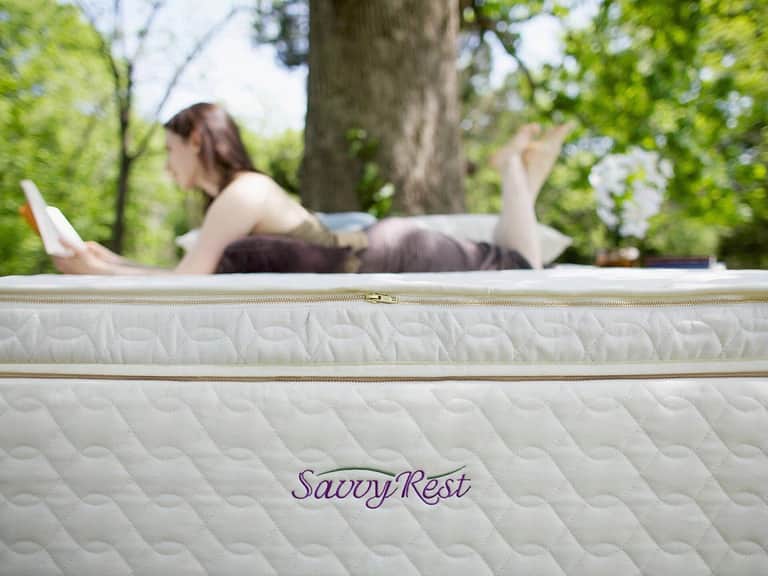
- Savvy Rest Unity Pillowtop Latex Mattress — A latex-based system featuring multiple customizable layers wrapped in organic cotton. Its construction underscores modularity and longevity, with a certified organic casing and a blend of Dunlop and Talalay latex options. This model prioritizes side sleepers who seek a plush surface with sustainable foundations. Link: Savvy Rest Unity Pillowtop Latex Mattress
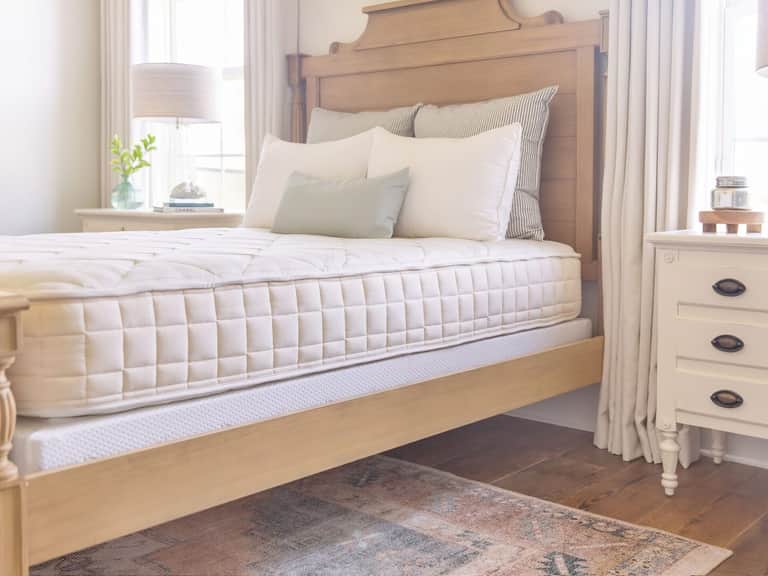
- Naturepedic Chorus Organic Cotton Mattress — An all-organic, glue-free innerspring that leverages organic cotton and wool for a balanced feel. Made in the USA, it ships in a box for convenient setup and avoids toxic adhesives and flame retardants. This model serves as a practical example of organic textile integration with traditional support systems. Link: Naturepedic Chorus Organic Cotton Mattress
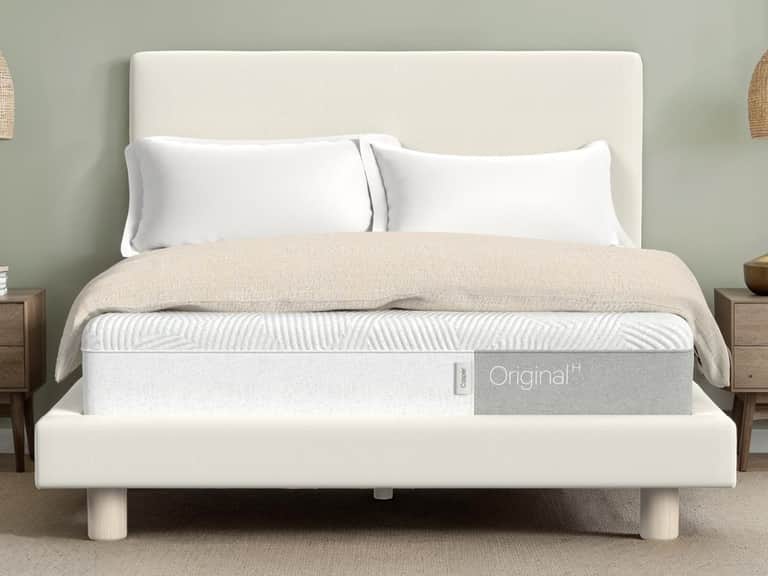
- Original Hybrid Mattress (Casper) — A hybrid model blending foam and springs with a focus on airflow and Zoned Support. While popular for its contemporary feel, the organic emphasis varies by component, so readers should assess the specific materials listed in the product description to confirm organic content. Link: Original Hybrid Mattress
The examples above illustrate how material choices and certifications translate into real-world sleep experiences. When you see a product with clear organic materials and credible certifications, you gain a stronger basis for making an informed decision—without sacrificing comfort or sleep quality.
Aesthetic and editorial note: style as a sleep companion
This article embraces a Vogue-influenced sensibility: chic practicality meets editorial clarity. The goal is to present rigorous information with a poised voice that readers trust. The aesthetic is clean, the language precise, and the guidance centered on empowering choice. Fashionable sleep is not about trends alone; it is about enduring comfort, responsible sourcing, and a sense of daily ritual that honors your health.
Conclusion: your path to a healthier, more sustainable sleep surface
Choosing an organic mattress is an invitation to a healthier sleeping life. By prioritizing core materials—organic latex, organic cotton, and natural wool—and by seeking credible certifications, you illuminate a path toward greater transparency and well-being. The journey is not about a single product or a single brand; it is about building a bed that reflects values you can stand by night after night.
If you’d like, I can draft a site map and 12 initial article ideas tailored to a Portland context while maintaining the educational, non-commercial approach. The aim is to create a resource that informs, guides, and inspires readers to make confident decisions about healthier sleep.